When Paid Advertising Makes Sense in a Digital Marketing Strategy
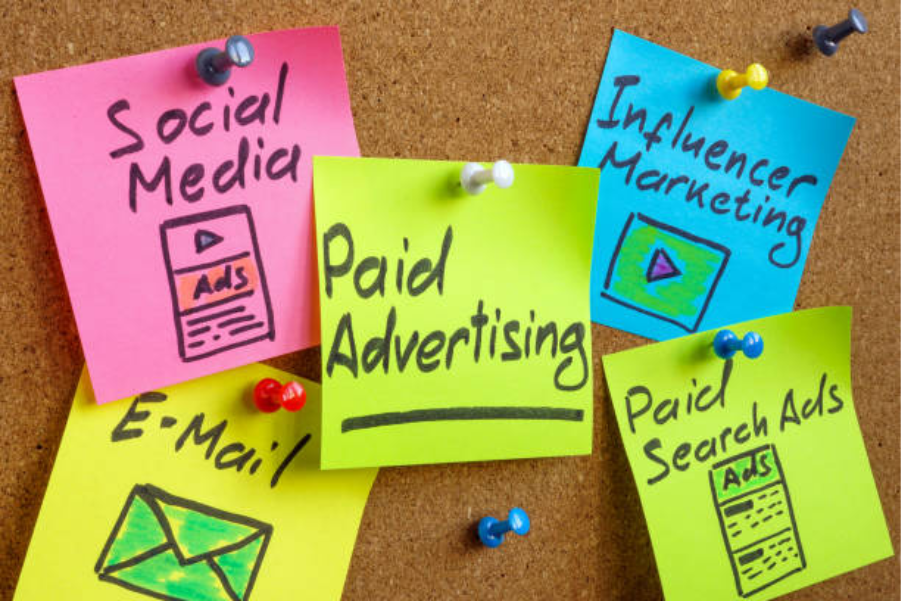
A well-defined paid advertising strategy plays a crucial role in helping businesses achieve visibility, attract targeted audiences, and drive measurable results. In a competitive digital environment, relying solely on organic methods may limit growth potential. A well-planned paid strategy ensures faster reach and scalable performance.
Businesses that aim to accelerate growth often partner with a professional digital marketing agency to build and manage high-performing paid campaigns aligned with their goals.
Overview of Paid Media vs Organic Marketing
Paid media and organic marketing serve different purposes within a digital strategy. Organic marketing focuses on long-term visibility through search engine optimization and content, while paid media delivers immediate exposure through advertisements.
Both approaches are valuable, but their effectiveness depends on business goals, timelines, and competition levels. A balanced combination often provides the most consistent results.
Why Businesses Consider Paid Advertising
Paid advertising offers control, speed, and precision. Businesses can target specific audiences, test campaigns quickly, and adjust strategies based on performance data. This makes it an essential component of modern marketing strategies focused on measurable outcomes.
What is Paid Advertising?
Paid advertising refers to marketing efforts where businesses pay to display their ads across digital platforms. It is commonly used to increase visibility, generate leads, and drive conversions.
Definition of PPC and Paid Media
Pay per click advertising is a model where advertisers pay only when users click on their ads. Paid media includes a broader range of formats such as display ads, video ads, and sponsored content.
These methods allow businesses to position themselves in front of potential customers at the right moment.
Key Platforms (Google Ads, Social Media Ads, Display Networks)
Major platforms for paid advertising include search engines, social media platforms, and display networks. Each platform offers unique targeting capabilities and ad formats that cater to different business objectives.
When Paid Advertising is the Right Choice
Paid advertising becomes particularly effective under specific circumstances where speed, visibility, and targeting are essential.
Need for Immediate Results
When businesses require quick outcomes, paid advertising provides an efficient solution.
Driving Instant Traffic and Leads : Paid campaigns can generate traffic as soon as they are launched. This makes them ideal for businesses aiming to increase visibility without delay.
Launching New Products or Services : New offerings benefit from immediate exposure. Paid ads ensure that the right audience becomes aware of new products or services quickly.
Competitive Industries
In highly competitive markets, gaining visibility through organic methods alone can be challenging.
Standing Out in Crowded Markets : Paid advertising allows businesses to appear at the top of search results, improving visibility in competitive spaces.
Bidding Strategies and Visibility : Effective bidding strategies help businesses secure prime ad placements, ensuring better reach and engagement.
Targeting Specific Audiences
One of the strongest advantages of paid advertising is precise audience targeting.
Demographic and Geographic Targeting : Businesses can target users based on location, age, interests, and behaviour. This ensures that ads reach the most relevant audience.
Retargeting and Remarketing Benefits : Retargeting helps re-engage users who have previously interacted with a business. This increases the likelihood of conversions by keeping the brand visible.
Scaling Proven Marketing Campaigns
Once a campaign demonstrates success, paid advertising makes it easier to scale results.
Amplifying High Performing Strategies: High-performing campaigns can be expanded to reach a larger audience, increasing overall impact.
Performance Marketing Advantages: Performance marketing focuses on measurable outcomes, allowing businesses to optimize campaigns based on real data.
Paid Advertising vs SEO: Which One Should You Choose?
Choosing between paid advertising and SEO depends on business goals, timelines, and available resources. Both strategies offer unique advantages and can complement each other.
For businesses looking to strengthen their online presence, investing in website design bozeman mt ensures that traffic generated from both paid and organic channels converts effectively.
Key Differences Between Google Ads and SEO
Google Ads delivers immediate visibility, while SEO builds organic rankings over time. Paid ads appear at the top of search results, whereas SEO focuses on long-term positioning.
Short Term vs Long Term Impact
Paid advertising generates instant results, making it suitable for short-term goals. SEO requires consistent effort but provides sustainable traffic over time.
Cost Comparison and ROI
Paid advertising involves ongoing costs, while SEO requires upfront investment and continuous optimization. The return on investment depends on strategy execution and business objectives.
Types of Paid Advertising Strategies
Different types of paid advertising strategies allow businesses to reach audiences across various platforms and formats.
Search Ads (Google Ads)
Search ads appear on search engine results pages and target users actively searching for specific products or services. They are highly effective for capturing intent-driven traffic.
Display Advertising
Display ads use visual elements to attract attention across websites and apps. They are useful for building brand awareness and reaching a broader audience.
Social Media Advertising
Social media ads enable businesses to engage users on platforms where they spend significant time. These ads are effective for targeting specific demographics and interests.
Remarketing Campaigns
Remarketing campaigns focus on users who have previously interacted with a business. This strategy helps increase conversions by reinforcing brand presence.
How to Build an Effective Paid Advertising Strategy
A successful paid advertising strategy requires careful planning, execution, and continuous optimization.
Setting Clear Goals and KPIs
Defining clear objectives helps measure campaign success. Key performance indicators may include clicks, conversions, and return on investment.
Budget Allocation and Bidding Strategies
Proper budget allocation ensures that resources are used efficiently. Bidding strategies should align with campaign goals to maximize performance.
Ad Copy and Creative Optimization
Compelling ad copy and visuals play a critical role in attracting user attention. Continuous testing helps identify what resonates best with the audience.
Tracking and Analytics Setup
Accurate tracking allows businesses to measure performance and make data-driven decisions. Analytics tools provide insights into user behaviour and campaign effectiveness.
For businesses aiming to enhance organic visibility alongside paid efforts, professional search engine optimization services can strengthen overall marketing performance.
Common Mistakes to Avoid in Paid Media Planning
Avoiding common mistakes can significantly improve the effectiveness of paid advertising campaigns.
Poor Audience Targeting
Targeting the wrong audience reduces campaign effectiveness and wastes budget. Precise targeting is essential for achieving desired results.
Ignoring Conversion Tracking
Without conversion tracking, it becomes difficult to measure success and optimize campaigns. Proper tracking ensures better decision-making.
Overspending Without Optimization
Spending without analysing performance leads to inefficiencies. Regular optimization is necessary to improve ROI.
Expert Tips for Maximizing Paid Advertising ROI
Implementing proven strategies can enhance campaign performance and ensure better returns.
A/B Testing Ads and Landing Pages
Testing different versions of ads and landing pages helps identify the most effective combinations. This improves engagement and conversions.
Continuous Optimization
Regular adjustments based on performance data ensure that campaigns remain effective over time.
Integrating Paid and Organic Strategies
Combining paid advertising with SEO creates a comprehensive strategy that maximizes visibility and long-term growth.
Working with experts like Max Impact Marketing ensures that campaigns are aligned with business goals and continuously optimized for better results.
Conclusion: Making Smart Decisions with Paid Advertising
Paid advertising is a powerful tool for businesses seeking immediate visibility, targeted reach, and measurable outcomes. When used strategically, it complements organic efforts and accelerates growth.
The key to success lies in understanding when to invest in paid campaigns, selecting the right platforms, and continuously optimizing performance. A balanced approach that integrates both paid and organic strategies delivers the most sustainable results.
Businesses looking to build effective campaigns and achieve consistent growth can contact experienced professionals to develop a strategy tailored to their needs.
FAQs
1. When should a business invest in paid advertising?
A business should invest in paid advertising when it needs immediate visibility, wants to target specific audiences, or operates in a competitive market.
2. Is paid advertising better than SEO?
Paid advertising delivers quick results, while SEO provides long-term growth. Both are effective when used together.
3. How much budget is required for paid advertising?
The budget depends on industry competition, goals, and target audience. Proper planning ensures efficient spending.
4. What is the biggest advantage of paid advertising?
The ability to target specific audiences and generate immediate traffic is the biggest advantage of paid advertising.
5. How can businesses improve their paid advertising ROI?
Businesses can improve ROI by optimizing campaigns, testing different strategies, and using data-driven insights for decision-making.
Recent Posts