What a Full-Service Digital Marketing Agency Should Deliver in 2026
In today’s fast-evolving digital landscape, growth-focused businesses need more than just isolated campaigns, they need comprehensive solutions that drive measurable results. A full-service digital marketing agency is no longer just a vendor executing ads or social posts; it is a strategic partner that aligns marketing initiatives with business objectives.
In 2026, businesses seeking to thrive online must look for agencies that can deliver depth, integration, and innovation across all digital touchpoints.
Why a Full-Service Digital Marketing Agency Matters in 2026
The digital marketing ecosystem has expanded dramatically over the past few years. Consumers now interact with brands through multiple channels, websites, search engines, social media platforms, email, and even voice-activated devices. This omnichannel behavior requires businesses to adopt a cohesive approach, rather than piecemeal campaigns.
A full-service digital marketing agency acts as a one-stop solution, offering a broad range of digital marketing services that span strategy, execution, and measurement. For growth-focused businesses, this means:
- A consistent brand voice across all channels
- Integrated campaigns that amplify each other’s impact
- Data-driven insights for smarter decision-making
- Scalability without adding internal overhead
Core Deliverables of a Full-Service Digital Marketing Agency in 2026
Integrated Marketing Strategy
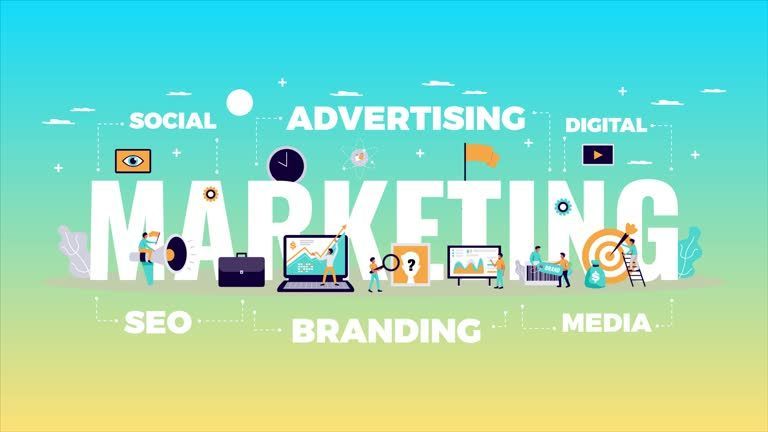
A true full-service agency doesn’t just run campaigns; it designs an integrated marketing strategy that aligns closely with business goals, ensuring that SEO, PPC, social media, email marketing, content marketing, and performance marketing all work together seamlessly.
At the heart of this approach is a deep understanding of the target audience, achieved through audience segmentation and persona development, which identifies customers’ needs, pain points, and online behavior.
Agencies also map the customer journey, pinpointing every touchpoint and designing campaigns that guide prospects from initial awareness to final conversion. Conducting a thorough competitive analysis allows them to evaluate competitors’ strategies, uncovering both opportunities and gaps that can be leveraged.
Finally, multi-channel planning ensures that all marketing channels, from SEO and PPC to social media and email, are coordinated for cohesive messaging and maximum impact. Agencies that excel in this strategic approach act as long-term partners, helping businesses adapt to new platforms, emerging technologies, and evolving consumer behaviors in the dynamic digital landscape.
SEO, PPC, and Social Media Management
No full-service digital marketing agency is complete without expertise in SEO, PPC, and social media, the trifecta that drives online visibility and generates leads. SEO (Search Engine Optimization) goes far beyond simple keyword usage; modern SEO encompasses technical audits, schema implementation, content optimization, and backlink strategies.
Agencies must stay ahead of Google algorithm updates while maximizing organic traffic, making professional SEO services essential for sustainable growth. PPC (Pay-Per-Click), including platforms like Google Ads and Microsoft Advertising, offers immediate visibility. A full-service agency manages bidding strategies, ad creatives, and conversion tracking to deliver measurable ROI.
Meanwhile, social media marketing has evolved from being a mere engagement tool to a revenue driver. Agencies create platform-specific content, run paid campaigns, and track key performance indicators such as engagement, leads, and sales. By integrating these channels, a full-service agency ensures that paid and organic efforts complement each other, enhancing overall reach, efficiency, and marketing effectiveness.
Content Strategy and Creation
In 2026, content remains king, but quality and relevance matter more than ever. Agencies must produce content that not only educates and engages but also drives conversions. This encompasses a wide range of formats, including blogs, whitepapers, and eBooks; video marketing, webinars, and live streams; as well as infographics, podcasts, and interactive content.
Additionally, AI-powered content personalization enables dynamic, tailored experiences for individual users, enhancing engagement and conversion rates. A full-service digital marketing agency ensures that all content aligns with SEO objectives, social media campaigns, and performance marketing metrics, creating a continuous feedback loop that optimizes results and maximizes overall marketing effectiveness.
Performance Marketing and Analytics
Growth-focused businesses demand measurable ROI, and performance marketing provides the tools to track every campaign’s effectiveness and optimize accordingly. Key elements of this approach include conversion tracking and analytics dashboards that monitor results in real time, A/B testing for landing pages, ads, and email campaigns to identify the most effective strategies, and attribution modeling to understand the true value of each marketing touchpoint.
Additionally, reporting key performance indicators (KPIs) aligned with business objectives, such as revenue, cost per acquisition, and overall ROI, ensures transparency and actionable insights. By leveraging performance marketing, agencies transform marketing from a traditional cost center into a strategic growth engine that drives measurable results and sustainable business expansion.
Web Design and User Experience (UX)
A stunning website is only half the battle; a seamless user experience is what truly converts visitors into customers. A full-service digital marketing agency should provide mobile‑optimized, responsive designs that adapt beautifully across devices, fast load times with strong technical
SEO compliance, and conversion‑focused layouts and CTAs that guide users toward action. Additionally, modern websites must integrate with CRM systems, analytics platforms, and marketing automation tools to support personalized engagement and measurement.
Since your website serves as the hub of all digital marketing efforts and its performance directly impacts SEO, PPC, and social media outcomes, investing in expert web design ensures your online presence not only looks exceptional but also drives measurable business growth.
Local SEO and MAP Listings Management
For businesses with physical locations, local search visibility is crucial. Agencies manage MAP listings, citations, reviews, and local SEO campaigns to ensure your business shows up in relevant searches. Accurate local listings improve both trust and conversions, particularly for mobile users seeking immediate solutions.
Marketing Automation and CRM Integration
Marketing automation enables agencies to nurture leads efficiently, minimizing manual work while delivering highly personalized experiences. Key components of an effective automation strategy include email drip campaigns triggered by user behavior, lead scoring and segmentation to prioritize high-value prospects, seamless CRM integration to ensure smooth data flow between marketing and sales, and retargeting campaigns based on customer activity.
By implementing these automated processes, businesses can scale their marketing efforts without sacrificing personalization, a crucial factor in maintaining engagement, building strong customer relationships, and driving consistent conversions.
Innovative Technology Adoption
The agencies that will thrive in 2026 are those that embrace emerging technologies early, leveraging innovations to deliver superior results for their clients. This includes AI-powered analytics and predictive modeling to anticipate trends and optimize campaigns, chatbots and conversational marketing for real-time customer engagement, and augmented reality (AR) and virtual reality (VR) campaigns that create immersive brand experiences.
Additionally, voice search optimization ensures businesses remain visible as consumer behavior shifts toward voice-activated search. By adopting these forward-thinking tools, agencies stay ahead of competitors, provide cutting-edge solutions, and drive measurable growth for the businesses they serve.
Choosing the Right Full-Service Digital Marketing Agency
When selecting a full-service digital marketing agency, growth-focused businesses should carefully evaluate several key factors. First, consider the breadth of services-can the agency handle strategy, execution, and analytics across multiple channels? Next, assess their industry experience to ensure they understand your market, audience, and unique business challenges.
Transparency and reporting are equally important; the agency should provide measurable insights and clear ROI tracking to demonstrate the effectiveness of their efforts. Additionally, evaluate their integration capabilities, ensuring they can connect marketing tools seamlessly with your existing tech stack.
Finally, look for an innovation mindset, where the agency proactively adopts new strategies and technologies to keep your business ahead of the competition. An agency that meets these criteria becomes a true partner, delivering sustainable, long-term growth rather than temporary spikes in traffic or leads.
Why Integrated Marketing Matters
In today’s fragmented digital world, an integrated marketing strategy is more than just a buzzword, it is essential for sustainable growth. By coordinating SEO, PPC, social media, content, and performance marketing, agencies can reduce wasted ad spend, reinforce consistent messaging across channels, increase overall engagement and conversion rates, and generate more reliable, long-term growth.
Moreover, integrated marketing enables businesses to pivot quickly when platforms or algorithms change, a common occurrence in the ever-evolving digital ecosystem, ensuring that marketing efforts remain effective and aligned with business objectives.
The Future of Digital Marketing Services
Looking ahead, full-service digital marketing agencies will continue to evolve to meet the demands of an increasingly complex digital landscape. Key trends include hyper-personalization using AI and big data to deliver tailored customer experiences, and cross-channel attribution for more precise tracking of ROI across multiple marketing efforts. There will be an increased focus on video and interactive content, engaging audiences in more immersive ways, alongside a commitment to sustainable and ethical marketing practices.
Additionally, agencies will place an enhanced focus on privacy, data security, and first-party data strategies, ensuring compliance and building trust while maximizing the effectiveness of marketing campaigns.
Agencies that embrace these trends will provide a competitive edge to their clients, creating scalable and measurable growth.
Conclusion
In 2026, businesses seeking to grow online cannot rely on piecemeal solutions. A full-service digital marketing agency provides the strategy, execution, and analytics needed to thrive in a complex, multi-channel environment.
From SEO, PPC, social media, and content marketing to performance marketing, web design, local SEO, and marketing automation, the right agency acts as a strategic partner, driving measurable growth and future-proofing your digital presence.
For growth-focused businesses, the decision is clear: partner with an agency that delivers integrated strategies, cutting-edge technology, and deep expertise across all digital channels. Ready to take your business to the next level?Contact our team today to get started.
FAQs
1. What is a full-service digital marketing agency?
A full-service digital marketing agency provides end-to-end marketing solutions, including SEO, PPC, social media, content, web design, and analytics.
2. Why should my business hire a full-service agency?
They deliver integrated strategies that drive growth, save time, reduce ad spend waste, and provide measurable ROI across multiple channels.
3. How does performance marketing fit into agency services?
Performance marketing focuses on measurable results. Agencies track conversions, optimize campaigns, and ensure marketing spend generates revenue.
4. Can a full-service agency handle local marketing needs?
Yes. They manage local SEO, MAP listings, reviews, and citations to improve visibility for location-based searches.
5. How do agencies integrate technology and automation?
They use marketing automation, CRM integration, AI analytics, chatbots, and other tools to personalize campaigns, improve efficiency, and scale efforts.
Recent Posts