What Is Digital Marketing? How It Works for Beginners
Digital marketing has become the backbone of modern business growth. As consumer behavior continues to shift toward online platforms, businesses must adapt to remain visible, competitive, and relevant. A strong digital presence is no longer optional but essential for long term success.
To explore professional solutions, you can check out digital marketing services that help businesses build and scale their online presence effectively.
Why Digital Marketing Matters in Today’s Business Landscape
Digital marketing enables businesses to connect with their audience where they spend most of their time online. It provides measurable results, targeted communication, and scalable strategies that traditional methods cannot match. Businesses can reach specific audiences, track engagement, and refine campaigns in real time for better outcomes.
Traditional Marketing vs Digital Marketing
Traditional marketing relies on offline channels such as print media, television, and billboards. While these methods still have value, they lack precise targeting and performance tracking. Digital marketing, on the other hand, allows businesses to reach a global audience, personalize messaging, and measure every interaction through data analytics.
Key Benefits of Digital Marketing for Businesses
Digital marketing offers several advantages including cost efficiency, measurable performance, targeted reach, and flexibility. It allows businesses to adapt strategies quickly based on user behavior and market trends, leading to better engagement and improved return on investment.
Simple Explanation - What is Digital Marketing?
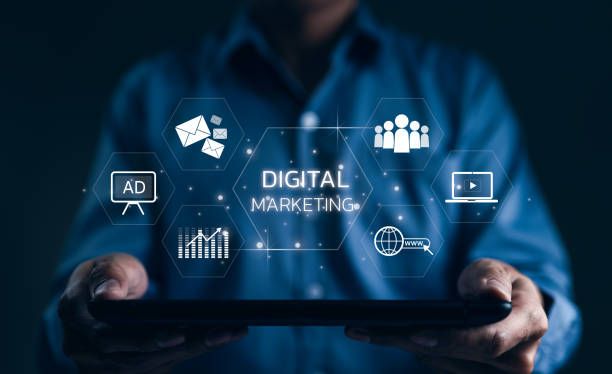
Digital marketing refers to the use of online channels, platforms, and technologies to promote products or services. It involves reaching potential customers through search engines, websites, social media, email, and other digital mediums.
Core Definition of Digital Marketing
At its core, digital marketing is about connecting businesses with their target audience through digital platforms. It focuses on delivering the right message to the right people at the right time using data driven strategies.
How Businesses Use Digital Channels to Grow
Businesses leverage digital channels to build brand awareness, generate leads, and drive conversions. By combining multiple strategies such as content creation, search optimization, and advertising, they create a comprehensive approach that supports growth and visibility.
Real-World Applications Across Industries
Digital marketing is applicable across industries including retail, healthcare, education, and technology. Each industry adapts strategies based on its audience and objectives, ensuring effective communication and engagement.
How Does Digital Marketing Work?
Digital marketing works by guiding potential customers through a structured process from awareness to conversion. It involves multiple touchpoints that influence user decisions and encourage engagement.
Understanding the Digital Marketing Funnel - Awareness to Conversion
The digital marketing funnel consists of stages including awareness, consideration, and conversion. At each stage, businesses provide relevant content and experiences to move users closer to taking action.
Role of Data and Analytics in Decision Making
Data plays a critical role in digital marketing. Businesses use analytics tools to track user behavior, measure campaign performance, and identify opportunities for improvement. This data driven approach ensures better decision making and higher efficiency.
Customer Journey in Digital Marketing
The customer journey represents the path a user takes from discovering a brand to becoming a customer. Digital marketing strategies are designed to optimize each step of this journey, ensuring a seamless and engaging experience.
Key Components of Digital Marketing
Digital marketing consists of several interconnected components that work together to achieve business goals. Each component plays a unique role in driving visibility and engagement.
Search Engine Optimization (SEO)
Search engine optimization focuses on improving a website’s visibility in search engine results.
What is Search Engine Optimization and why it matters
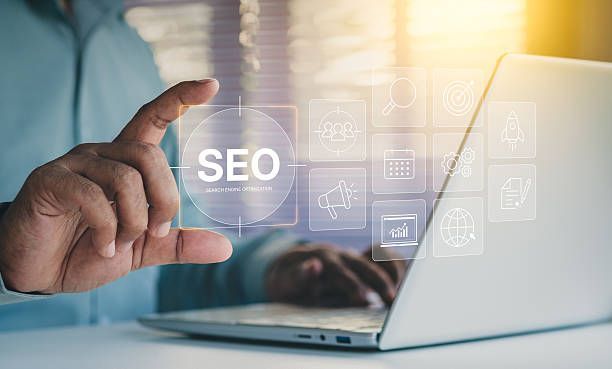
SEO helps businesses rank higher on search engines, making it easier for users to find their products or services. It involves optimizing website content, structure, and performance to align with search engine algorithms.
Content Marketing
Content marketing involves creating valuable and relevant content to attract and engage an audience. It helps build trust, authority, and long term relationships with potential customers.
Social Media Marketing
Social media marketing uses platforms to connect with audiences, share content, and build brand awareness. It enables direct interaction and engagement with users.
Pay-Per-Click Advertising (PPC)
PPC advertising allows businesses to display ads on search engines and other platforms. Advertisers pay only when users click on their ads, making it a cost effective strategy for driving traffic.
Email Marketing
Email marketing is used to communicate directly with customers through personalized messages. It helps nurture leads, promote offers, and maintain customer relationships.
Affiliate and Influencer Marketing
This strategy involves collaborating with partners or influencers to promote products or services. It expands reach and builds credibility through trusted sources.
Deep Dive into SEO in Digital Marketing
SEO plays a foundational role in digital marketing by driving organic traffic and improving online visibility.
What is SEO in Digital Marketing
SEO in digital marketing refers to optimizing digital assets to rank higher in search engine results. It ensures that content is discoverable and relevant to user queries.
How Search Engines Rank Websites
Search engines use algorithms to evaluate websites based on factors such as relevance, quality, and user experience. These factors determine the ranking position of a website in search results.
On-Page vs Off-Page SEO Basics
On page SEO focuses on optimizing elements within a website such as content, keywords, and structure. Off page SEO involves external factors like backlinks and brand authority that influence rankings.
Importance of Keywords like “seo digital marketing”
Keywords play a crucial role in SEO. They help search engines understand the content and match it with user queries. Using relevant keywords ensures better visibility and targeted traffic.
Channels and Platforms Used in Digital Marketing
Digital marketing utilizes various channels and platforms to reach and engage audiences effectively.
Search Engines (Google, Bing)
Search engines are primary platforms for discovering information. Optimizing content for search engines ensures higher visibility and organic traffic.
Social Media Platforms
Social media platforms enable businesses to connect with audiences, share updates, and build relationships through interactive content.
Websites and Landing Pages
Websites serve as the central hub for digital marketing efforts. Landing pages are designed to convert visitors into leads or customers.
Mobile Apps and Email
Mobile apps and email provide direct communication channels, allowing businesses to deliver personalized experiences and maintain engagement.
Digital Marketing Strategy Basics
A well defined strategy is essential for achieving success in digital marketing. It ensures alignment between business goals and marketing efforts.
For businesses looking to strengthen their local presence, consider exploring solutions tailored specifically for growth:
Digital marketing agency for local businesses
Setting Goals and KPIs
Setting clear goals and key performance indicators helps measure success and track progress. These metrics guide decision making and optimization.
Identifying Target Audience
Understanding the target audience is crucial for creating effective campaigns. It involves analyzing demographics, behavior, and preferences.
Choosing the Right Channels
Selecting appropriate channels ensures that marketing efforts reach the intended audience. Each channel serves a specific purpose in the overall strategy.
Budget Allocation
Allocating budget effectively ensures maximum return on investment. It involves prioritizing high performing channels and optimizing spending.
Common Challenges in Digital Marketing
Despite its advantages, digital marketing comes with challenges that businesses must address to achieve success.
Competition and Saturation
The digital space is highly competitive, making it difficult for businesses to stand out. Effective strategies and consistent optimization are required to maintain visibility.
Algorithm Changes
Search engines and platforms frequently update their algorithms. Businesses must stay informed and adapt their strategies accordingly.
Measuring ROI Effectively
Tracking return on investment can be complex. Businesses need reliable tools and metrics to evaluate performance accurately.
To make informed decisions when selecting a partner, you can review this guide:
Choosing the right digital marketing agency
Future of Digital Marketing
Digital marketing continues to evolve with advancements in technology and changing user behavior. Staying updated with trends is essential for maintaining a competitive edge.
AI and Automation
Artificial intelligence and automation are transforming digital marketing by improving efficiency and personalization. These technologies enable smarter decision making and streamlined processes.
Voice Search and Personalization
Voice search is becoming increasingly popular, requiring businesses to optimize content for conversational queries. Personalization enhances user experience and engagement.
Emerging Trends Businesses Should Watch
Emerging trends include advanced analytics, interactive content, and enhanced user experience. Adapting to these trends ensures long term success and growth.
FAQs
1. What is digital marketing in simple terms?
Digital marketing is the promotion of products or services using online platforms such as search engines, social media, and websites to reach and engage customers.
2. How does digital marketing help businesses grow?
It helps businesses increase visibility, attract targeted audiences, generate leads, and improve conversions through data driven strategies.
3. What is the role of SEO in digital marketing?
SEO improves website visibility on search engines, driving organic traffic and enhancing brand credibility.
4. Which channels are most important in digital marketing?
Key channels include search engines, social media, websites, email, and paid advertising platforms.
5. How can businesses get started with digital marketing?
Businesses can start by defining goals, understanding their audience, choosing the right channels, and implementing a structured strategy.
Conclusion
Digital marketing is a powerful approach that enables businesses to connect with their audience, build brand awareness, and drive growth. By understanding its components, strategies, and evolving trends, businesses can create effective campaigns that deliver measurable results. A well planned digital marketing strategy ensures long term success in an increasingly competitive digital landscape.
If you are ready to take the next step, feel free to contact and explore how Max Impact Marketing can support your business growth.
Recent Posts